Projects
Selected field and implementation projects spanning vaccine delivery, salt and hypertension research, and health systems work across sub-Saharan Africa.
REACH-OUT
Reducing immunisation gaps in zero-dose children in Kenya, Nigeria, and Rwanda
Reviewed behavioural determinants of vaccination behaviour and selected the WHO BeSD (Behavioural and Social Drivers of Vaccination) framework as the most comprehensive basis for the survey instrument. Designed the survey integrating BeSD with a novel misinformation susceptibility module. Refined it through iterative rounds of feedback with European team members and cultural adaptation with African collaborators. Implemented the instrument in KoboCollect with fellow team members. Delivered enumerator training on the full survey — including consent, screening, and data quality — in all three countries. Convened brainstorming sessions with local partners: Centre for Integrated Health Programmes (Nigeria), CIIHIN (Rwanda), and AMREF Health Africa (Kenya).
REACH-OUT is an EU Horizon-funded EDCTP3 project addressing the persistent challenge of zero-dose children — those who have received no routine vaccinations — across three high-burden African countries. The project combines implementation science, behavioural insights, and local partnerships to understand and address the drivers of immunisation gaps in underserved communities.
My work focused on the behavioural science workstream: developing a culturally adapted, theoretically grounded survey to measure the determinants of vaccination decision-making in caregivers, and ensuring high-quality data collection through hands-on training of enumerators in each country.
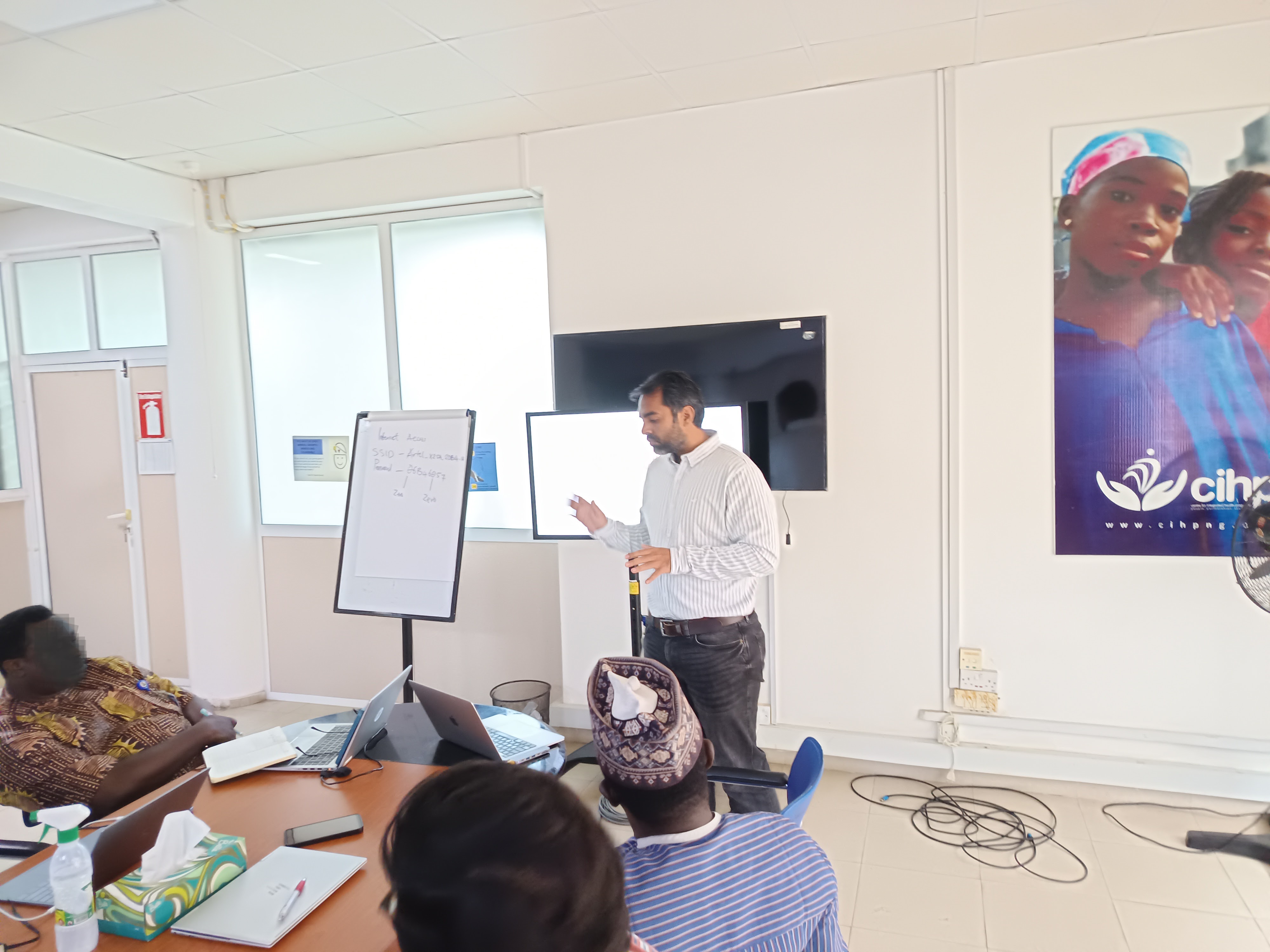
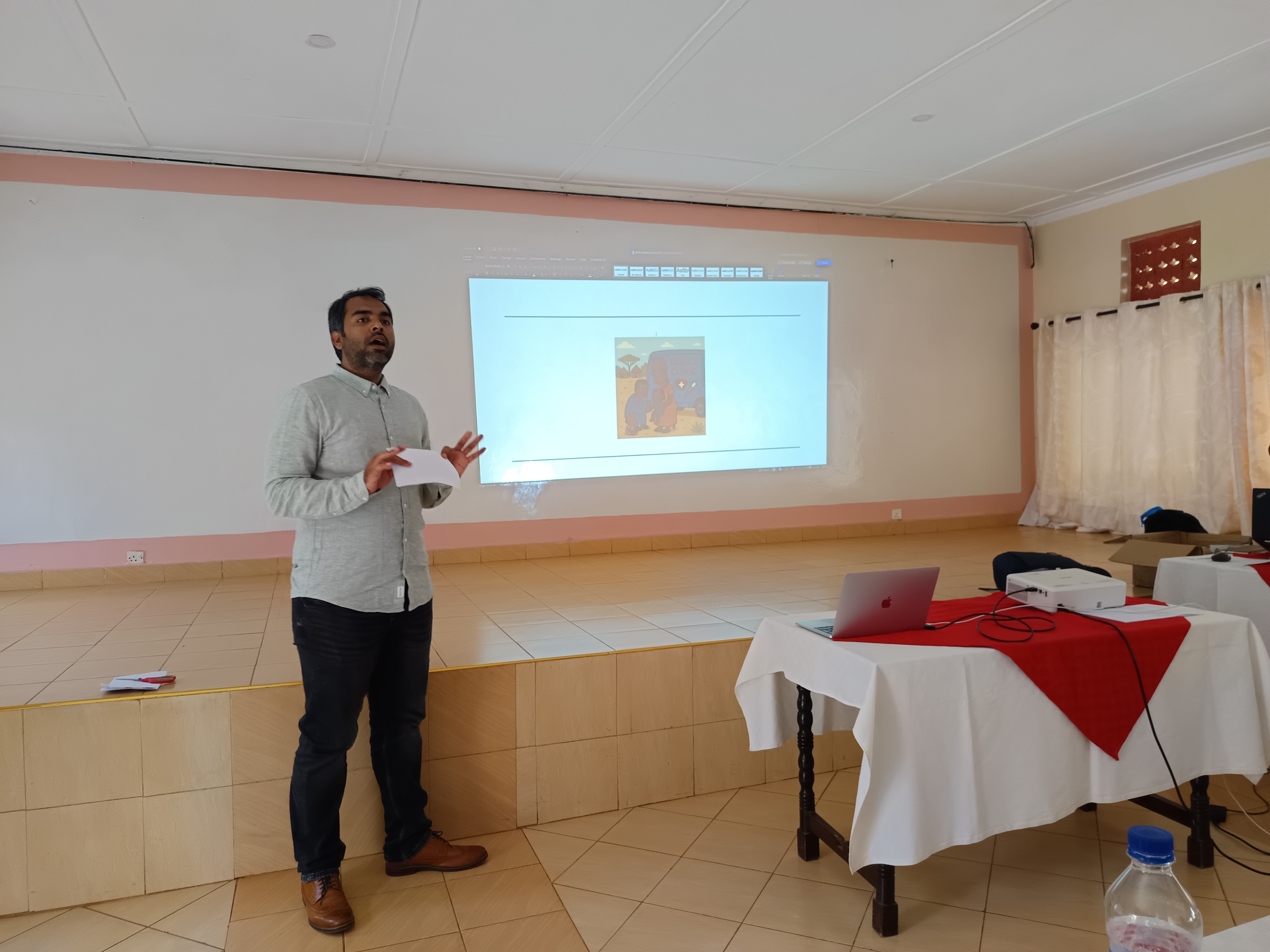
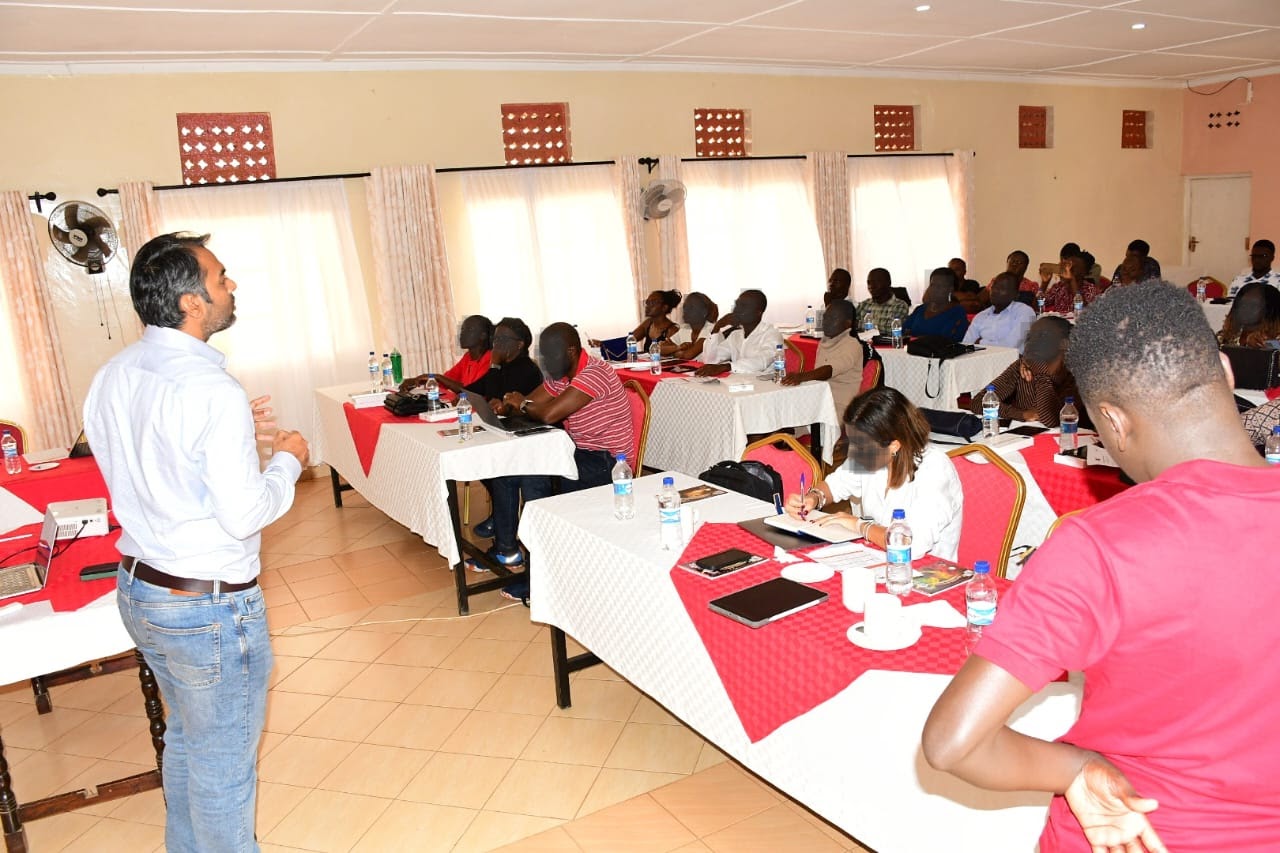
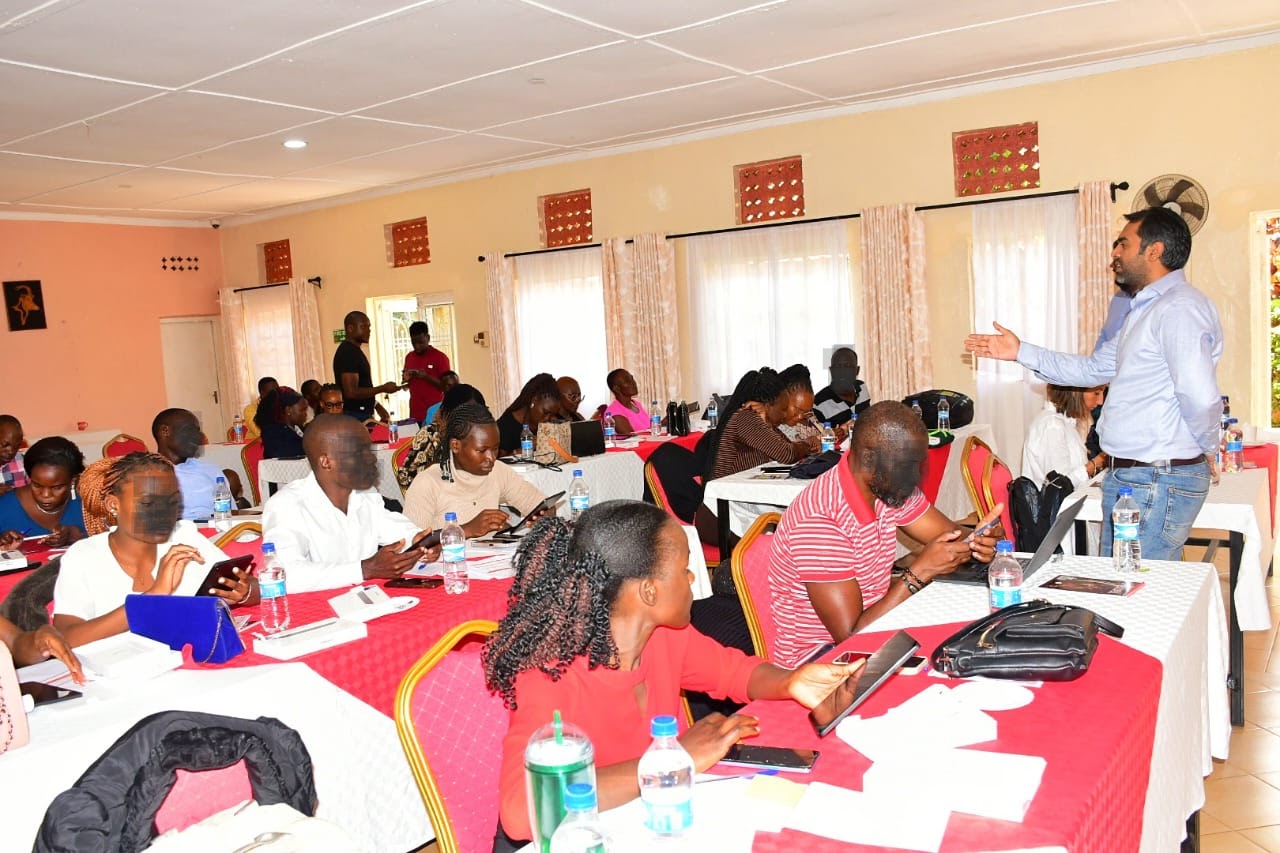
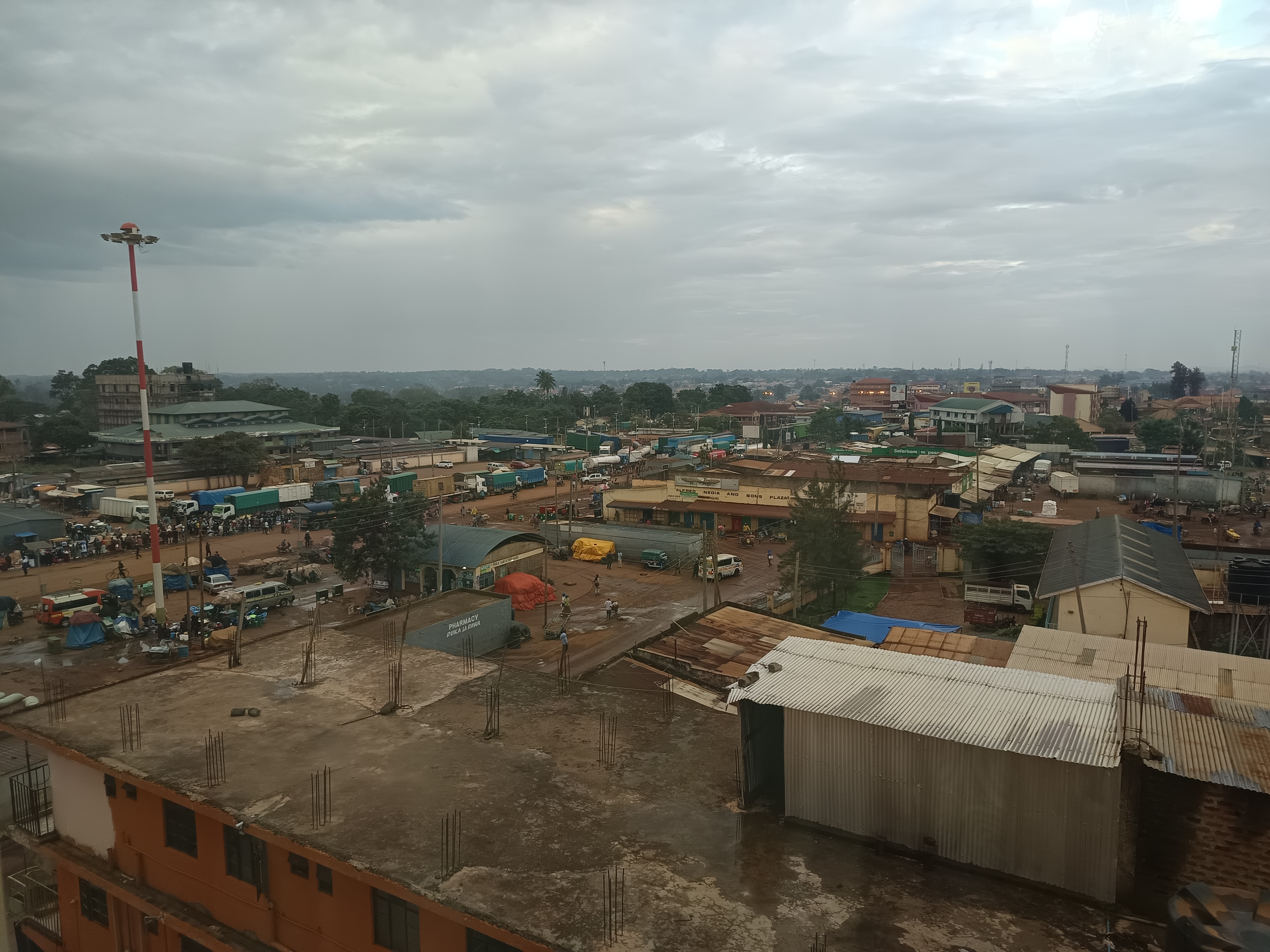
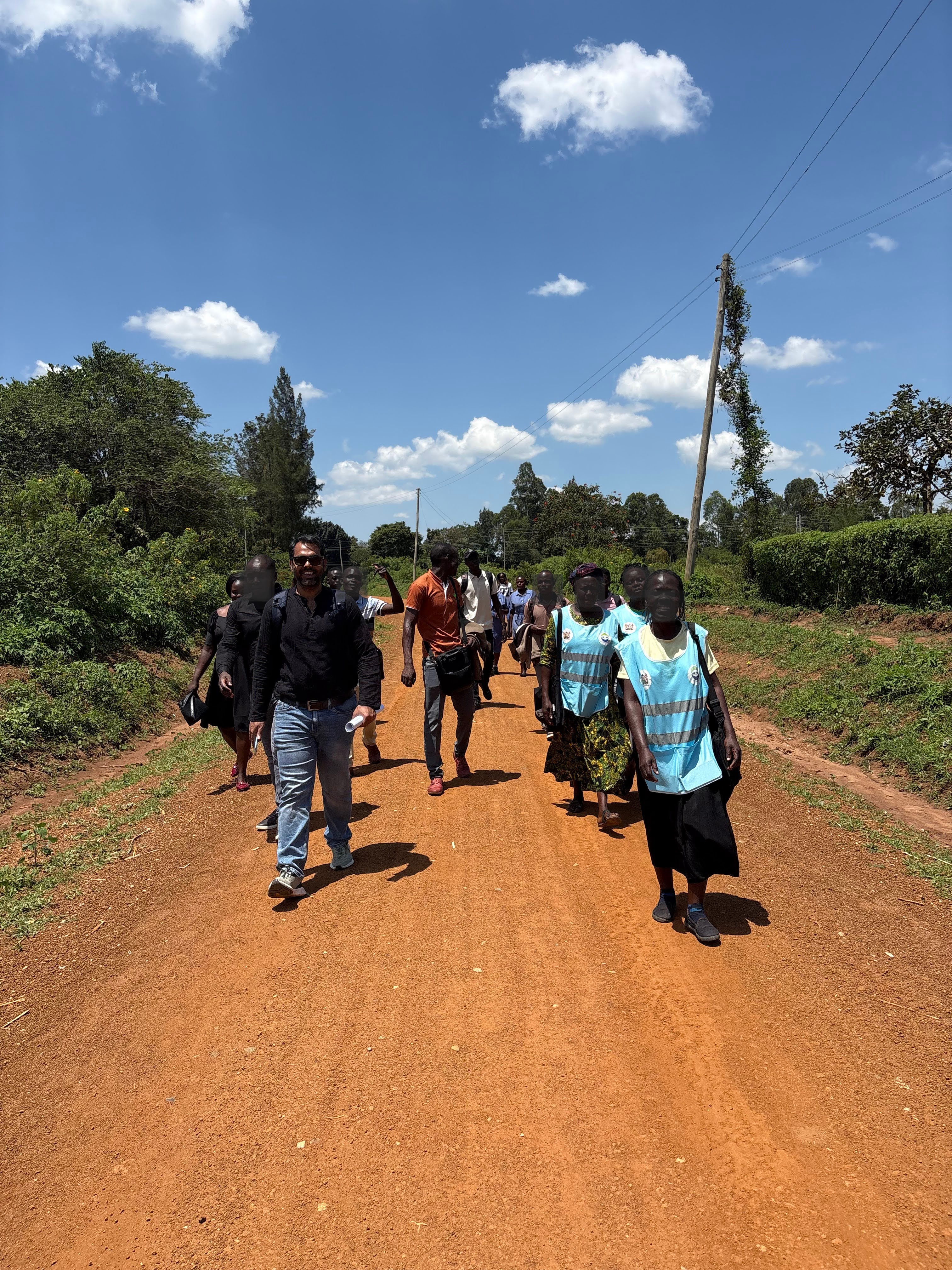
Partners: Centre for Integrated Health Programmes (Nigeria), CIICHIN (Rwanda), AMREF Health Africa (Kenya), Bocconi University.
SLASH
Sierra Leone Action on Salt and Hypertension
Implementing the full SLASH survey suite in ODK (Open Data Kit) — including household enumeration, 24-hour dietary recall using the INDDEX24 methodology, clinical measurements, and a 24-hour urine sub-study targeting 300 of 1,000 participants. Built a household roster with entity-based two-visit random participant selection logic, and developed a QR code label system for participant IDs to minimise data entry error. Delivering hands-on training to data collectors on ODK forms, consent, and field workflow, and integrating multiple rounds of feedback from supervisors and enumerators to refine the implementation.
SLASH (Sierra Leone Action on Salt and Hypertension) is a multi-partner field study examining dietary salt intake and its links to hypertension in Sierra Leone — a country where the burden of non-communicable disease is rising sharply but where high-quality dietary and clinical data remain scarce. The project is funded by the UK Medical Research Council (MRC) and delivered in collaboration between Queen Mary University of London, the Institute for Global Health and Development, and the Sierra Leone Ministry of Health and Sanitation.
The Project is organised around four independent but interlinked work packages:
- WP1 — Population salt intake & cardiovascular risk Characterising mean population salt intake and the primary dietary sources of sodium among adults in selected districts in Sierra Leone, and examining the relationship between salt intake and cardiovascular risk factors including blood pressure, cholesterol, and renal function.
- WP2 — Socio-cultural & behavioural drivers Understanding the socio-cultural, economic, and behavioural factors that influence salt use among households, and the production and stocking of lower-salt foods among food suppliers in Sierra Leone.
- WP3 — Evidence synthesis Determining the available evidence on effective salt reduction interventions in African and comparable low- and middle-income settings, and identifying the intervention approaches most likely to be feasible and effective in Sierra Leone.
- WP4 — Stakeholder consensus & theories of change Establishing consensus among a diverse range of stakeholders on the priority interventions for salt reduction in Sierra Leone, and developing shared theories of change to guide future research and implementation.
My work sits at the intersection of behavioural science, survey design, and field implementation. Alongside leading the data management and survey technical work — including ODK form logic, QR-based participant identification, and hands-on training of data collectors — I contributed to the behavioural science design of the larger survey, developing a COM-B module (Capability, Opportunity, Motivation — Behaviour) to explore the behavioural determinants of salt-reduction behaviour and their association with intention to reduce salt intake over the next six months. The technical decisions made early on — clear form logic, robust consent and screening flows, and well-trained enumerators — make the difference between data that can be analysed and data that cannot, while the behavioural framing ensures the survey can answer the "why" questions, not just the "what."
National Health Financing Landscape Analysis
Sierra Leone National Health Financing Dialogue · with the Overseas Development Institute (ODI)
Conducting a national health financing landscape analysis through desk research and key informant interviews to inform Sierra Leone's National Health Financing Dialogue. Reviewing financing frameworks, expenditure patterns, and donor support mechanisms across the system, and contributing to the synthesis of strategic options for domestic resource mobilisation and improved financial risk protection.
This work supports policy dialogue between Sierra Leone's Ministry of Health, development partners, and civil society on how to strengthen the national health financing system. Bringing together evidence from multiple sources — published literature, government documents, financial data, and stakeholder interviews — into a single analytical frame that decision-makers can act on.
Sierra Leone Health Systems Consultancy
Funding proposals and policy concept notes with InAfrica Ltd
Developed funding proposals and policy concept notes for the Sierra Leone Ministry of Health and Sanitation. Work spanned emergency care systems (a $6.5m ambulance procurement business case benchmarked against Rwanda, Ghana, and Bangladesh), maternal healthcare technology (assessing the PreSTrack mobile app, which has been associated with a 38% reduction in maternal mortality in pilots), and a Climate Health Fellow recruitment proposal. Also produced concept notes on climate-related health risks and child survival for WHO AFRO Regional Committee meetings.